
If shoulder pain has been waking you up at night, making it hard to get dressed, or keeping you from activities you love, you are not alone. For the right patient, total shoulder replacement, also known as total shoulder arthroplasty, may offer a path toward lasting pain relief and a better quality of life.
When considering the procedure, many patients wonder what to expect after total shoulder replacement. The recovery process takes time, patience, and commitment. In this post, we’ll walk you through the full journey, from your first days at home to the long-term milestones.
Key Takeaways
- Recovery from total shoulder replacement is a gradual process that typically spans six to twelve months or longer for many patients.
- Some pain, swelling, and limited mobility right after surgery are expected, as they are a normal part of the healing process.
- Every patient heals at their own pace. Your individual timeline may differ based on age, overall health, and surgical factors.
- Stay in regular communication with your care team throughout recovery, and contact the office promptly if something doesn’t feel right.
Understanding Total Shoulder Replacement
Before diving into recovery, it helps to understand what total shoulder replacement actually involves. During surgery, both damaged surfaces of the shoulder joint are replaced with implants. The worn “ball,” the humeral head, and the damaged “socket,” the glenoid, are resurfaced with components aiming to restore the smooth, gliding motion your shoulder needs to function comfortably. The goal is to replicate your natural anatomy.
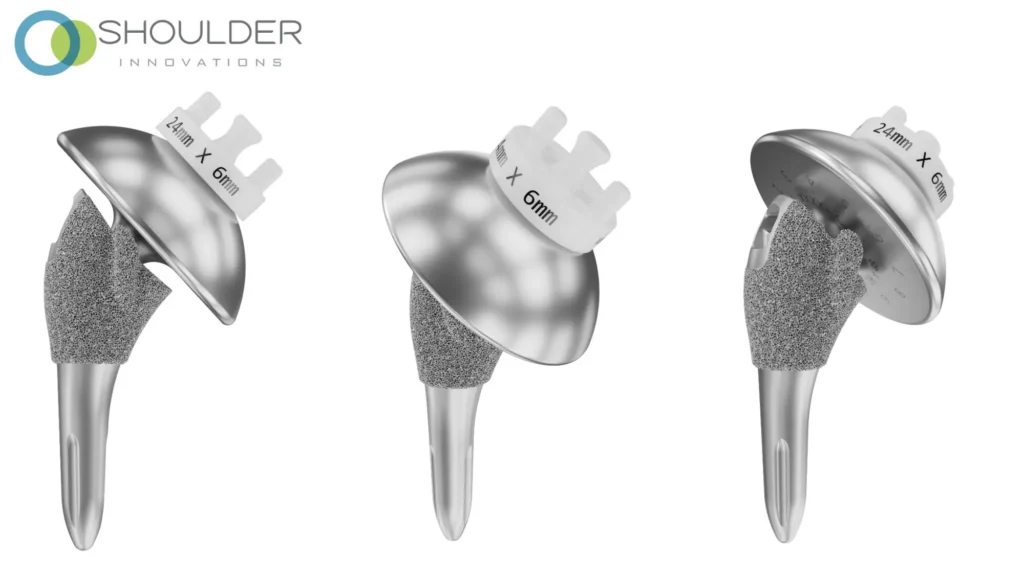
Understanding what changed inside your shoulder helps explain why recovery takes the time it does. The muscles, tendons, and surrounding soft tissue all need time to heal and adapt around the new joint.
The First Few Days: What to Expect Right After Surgery
Pain and Discomfort
Some pain after surgery is expected. Your surgical team will likely send you home with a pain management plan, which may include prescription pain medication and nonsteroidal anti-inflammatory medications (NSAIDs). Many patients also receive a nerve block during surgery, which can provide additional relief in the immediate hours afterward. Swelling and soreness around the incision site are also common.
Your Sling
You will leave the hospital or surgery center wearing a sling. Wearing it consistently as directed is important, as it protects the repair and limits shoulder movement while your soft tissues begin to heal. Many patients wear their sling for approximately four to six weeks, though your surgeon will give you specific guidance based on how your surgery went and how your healing progresses.
Sleeping
Sleep may require some adjustment early on. Many patients find it more comfortable to rest in a recliner or propped up with pillows rather than lying flat in bed. This reduces pressure on the shoulder and may help you get more rest. It typically takes a few weeks before sleeping through the night feels natural again, so be patient with yourself.
Setting Up Your Home
A little preparation before surgery goes a long way. Arrange for someone to drive you home and ideally stay with you for the first few days. Loose, easy-to-wear clothing (think button-front shirts or zip-up hoodies) makes getting dressed far more manageable when one arm is in a sling. Showering may require some creativity in the beginning, and your care team can walk you through specific guidance on timing and technique.
Managing Pain and Swelling
Most patients navigate post-operative pain and swelling quite well with a bit of preparation and consistency. Always follow your surgeon’s instructions, but here are general approaches that may help:
- Medication: Take prescribed pain medication and anti-inflammatory drugs as directed. Don’t wait for pain to become severe. Staying ahead of discomfort may be more effective.
- Ice: Applying ice to the shoulder, always with a cloth barrier to protect your skin, several times per day during the first couple of weeks can help reduce swelling and ease soreness.
- Elevation: When resting, try to keep your arm elevated with a pillow. This may help minimize post-surgical swelling.
- Movement restrictions: Follow your surgeon’s guidance carefully on what you can and cannot do with your arm. Moving beyond recommended limits too soon can interfere with healing.
Physical Therapy
Physical therapy is an important factor in how well you recover from total shoulder replacement. Rehabilitation typically begins very soon after surgery. Early sessions focus on gentle, guided movements designed to prevent stiffness and support proper tissue healing. Over time, your physical therapist will progressively introduce more challenging exercises as your strength and shoulder mobility improve.
Expect physical therapy to continue for several months. Maximal recovery from total shoulder replacement often takes six to twelve months or longer, depending on the patient and the specifics of the procedure. Progress is not always linear. Some weeks feel like big leaps forward. Others may feel slower or plateau-like. Both are completely normal parts of the process.
Completing your physical therapy program is important for regaining strength and motion in your shoulder. Patients who show up consistently, follow through on home exercises, and communicate openly with their therapist when something doesn’t feel right are supporting their long-term outcomes.
Returning to Daily Life: A General Recovery Timeline
One of the most common questions patients ask is: “When can I get back to normal?” The answer depends on factors unique to your situation, including the specifics of your surgery, how your body heals, and how consistently you engage with rehabilitation. That said, here is a general sense of what many patients experience:
- Weeks 1–2: Rest, pain management, and gentle PT-guided movements are the focus. You’ll spend most of your time in your sling. Simple tasks are manageable using your non-surgical arm.
- Weeks 2–6: Many patients start to feel more settled into a routine. Sleep may begin to improve. PT exercises become gradually more demanding, and some basic daily activities may become more comfortable.
- Weeks 6–12: Many patients begin transitioning out of the sling. Light tasks, such as cooking simple meals, light computer work, and basic grooming, may feel more accessible. Driving may be cleared with your surgeon’s explicit approval.
- Months 3–6: This phase often brings more noticeable improvements in strength and shoulder mobility. A broader range of activities may start to feel within reach.
- Months 6–12: By this point, many patients are functioning at or approaching their anticipated long-term level. Those with physically demanding jobs or highly active lifestyles may require additional time to return fully to prior activity levels.
Keep in mind: every recovery is different. Some patients heal faster; others simply need more time. What matters most is consistency, patience, and staying connected with your care team throughout the process.
Signs You Should Contact Your Surgeon
Recovery typically progresses without serious complications, but it’s important to know when to reach out to your care team. Contact the office promptly if you experience any of the following:
- Increasing redness, warmth, or swelling around the incision site
- A fever above 101°F
- Drainage or unusual discharge from the incision
- Sudden or severe pain that is not controlled by your prescribed medication
- New or worsening numbness, tingling, or weakness in your fingers or hand
- A feeling that something has “shifted” or “popped” in the shoulder
These symptoms don’t necessarily mean something serious has occurred, but they do warrant a timely conversation with your surgeon.
Summary
Understanding what to expect after total shoulder replacement is one of the best things you can do to set yourself up for a smooth and successful recovery. The process takes real time and commitment. For many patients, it leads to less pain, improved shoulder function, and the ability to return to activities and daily routines that matter to them.
Frequently Asked Questions
How long does recovery from total shoulder replacement typically take?
Maximal recovery from total shoulder replacement generally takes between six and twelve months, and sometimes longer. Many patients notice significant improvements in pain and function within the first three to six months, with continued gains in strength and mobility over time. Individual timelines can vary based on age, overall health, and how consistently a patient participates in physical therapy.
Will I need to wear a sling after surgery?
Yes, most patients wear a sling for approximately four to six weeks following total shoulder replacement. The sling protects the newly repaired joint and gives the surrounding soft tissues a chance to heal properly. Your surgeon will advise you on when it’s appropriate to begin transitioning out of the sling based on your specific progress.
What activities can I expect to return to after a full recovery?
Many patients are able to return to lower-impact activities such as golf, swimming, or light recreational sports following a complete recovery. Higher-impact or contact activities may not be recommended depending on your individual situation. Your surgeon will discuss activity guidelines tailored to your specific needs during follow-up appointments.