
Frequently Asked Questions (FAQs)
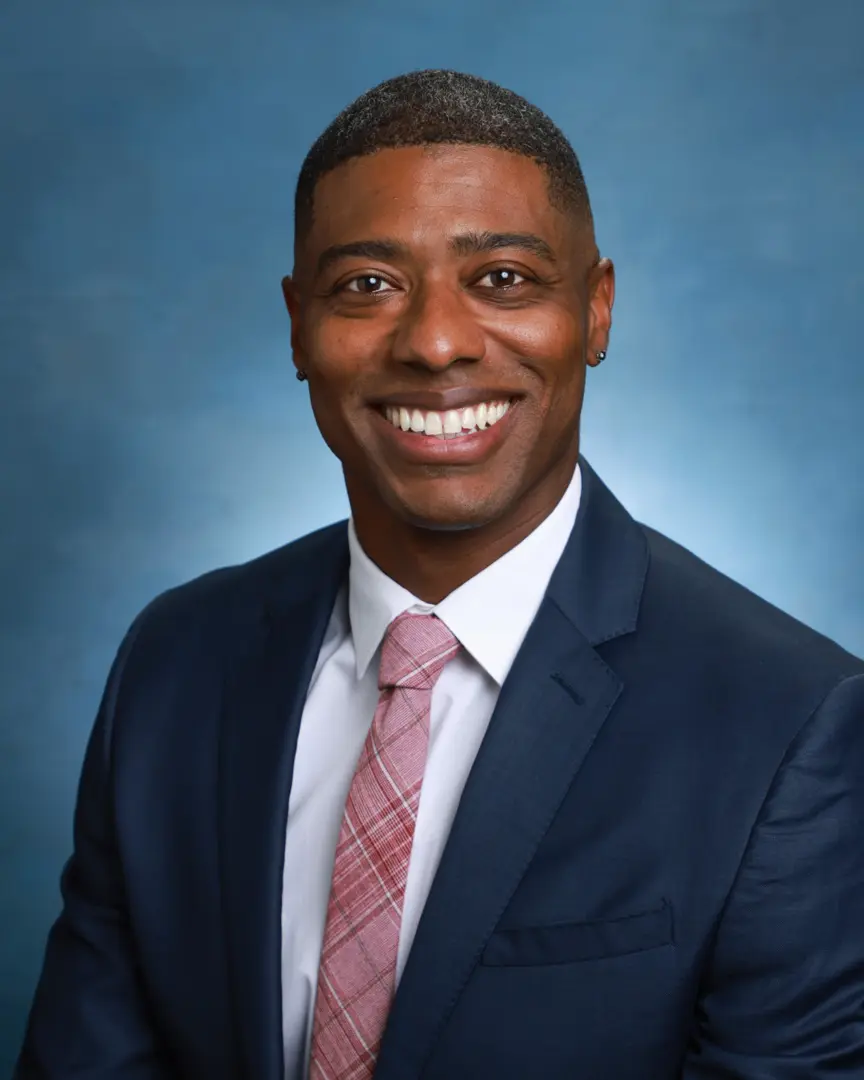
Dr. Hobson specializes in hip, knee, shoulder, and elbow care, with a focus on joint preservation and cartilage restoration. Below are answers to common questions about the conditions he treats and the procedures he performs. The answers are for general education and are not a substitute for a consultation.
Hip
FAI is a condition in which the bones of the hip are shaped in a way that causes abnormal contact between the femur (thighbone) and the acetabulum (hip socket). Over time this friction can damage the cartilage and labrum, producing groin pain, stiffness, and reduced rotation. Many patients improve with physical therapy, activity modification, and anti-inflammatory care. When symptoms persist and imaging confirms a structural cause, hip arthroscopy with femoroplasty, acetabuloplasty, and labral repair can reshape the bone and repair the soft tissue, restoring smoother motion.
The labrum is a ring of cartilage that lines the rim of the hip socket. A tear can be caused by impingement, a twisting injury, hip dysplasia, or repetitive athletic motion, and typically produces deep groin pain, catching, or clicking. Small tears sometimes become less symptomatic with rest, therapy, and guided injections, but the labrum itself has limited blood supply and does not usually heal on its own. When a tear continues to limit activity, Dr. Hobson offers labral repair, reconstruction, or augmentation, most often through hip arthroscopy.
Hip arthroscopy is a minimally invasive surgery in which small incisions and a camera are used to treat problems inside the joint. It is commonly used to address FAI, labral tears, cartilage injuries, loose bodies, and capsular laxity. Candidates are usually patients with hip pain that has not responded to conservative care and imaging that confirms a treatable source of mechanical symptoms. Patients with advanced arthritis are generally better served by other options, which Dr. Hobson will review with you during your visit.
Knee
Treatment depends on your age, activity level, associated injuries, and how unstable the knee feels. Some lower-demand patients do well with rehabilitation and activity modification. Active patients, athletes, and those with recurrent instability are usually candidates for ACL reconstruction using a graft from your own tissue or a donor. Dr. Hobson also performs revision ACL reconstruction for patients whose prior surgery has failed, and will often address meniscus and cartilage injuries at the same time.
Whenever possible, yes. Preserving meniscus tissue protects the cartilage and reduces the long-term risk of arthritis. Tears in the outer, better-vascularized portion of the meniscus and root tears at the back of the knee are often good candidates for repair. Central or complex tears sometimes require a limited partial meniscectomy. For younger patients who have lost most of their meniscus, meniscus transplantation may be an option to restore cushioning and protect the joint.
The medial patellofemoral ligament (MPFL) is the primary soft tissue restraint that keeps the kneecap from sliding laterally. Patients with recurrent patellar dislocations or ongoing instability often benefit from MPFL reconstruction, sometimes combined with a tibial tubercle osteotomy when the alignment of the kneecap needs to be corrected. The goal is a stable, well-tracking patella that allows a return to sports and daily activity.
Treatment is individualized based on the size, depth, and location of the defect. Options range from chondroplasty and microfracture for smaller lesions to osteochondral autograft (OATS), osteochondral allograft transplantation, and matrix-induced autologous chondrocyte implantation (MACI) for larger or full-thickness defects. Dr. Hobson will review the imaging with you and recommend the approach with the best chance of durable relief for your specific injury.
Shoulder
Small, partial tears often improve with physical therapy, activity modification, and targeted injections. Larger, full-thickness tears, tears in younger or active patients, and tears that cause persistent weakness usually benefit from arthroscopic rotator cuff repair. Massive or chronic tears may require more advanced techniques, and in cases of significant arthritis with cuff failure, reverse shoulder replacement can restore function.
The Latarjet procedure is a shoulder stabilization surgery used when patients have recurrent anterior dislocations with significant glenoid bone loss, a large Hill-Sachs lesion, or a failed prior Bankart repair. A small piece of bone from the coracoid is transferred to the front of the socket, creating a bony block and a sling effect that prevents the shoulder from dislocating again. It can be highly effective for the right patient and commonly used in contact athletes.
A SLAP (superior labrum anterior to posterior) tear involves the top portion of the shoulder labrum where the biceps tendon attaches. It is often caused by overhead throwing, a fall on an outstretched arm, or repetitive lifting. Many SLAP tears respond to rehabilitation and selective injections. When symptoms persist, treatment is individualized and may involve SLAP repair, biceps tenodesis, or biceps tenotomy, depending on the patient's age, tear pattern, and activity goals.
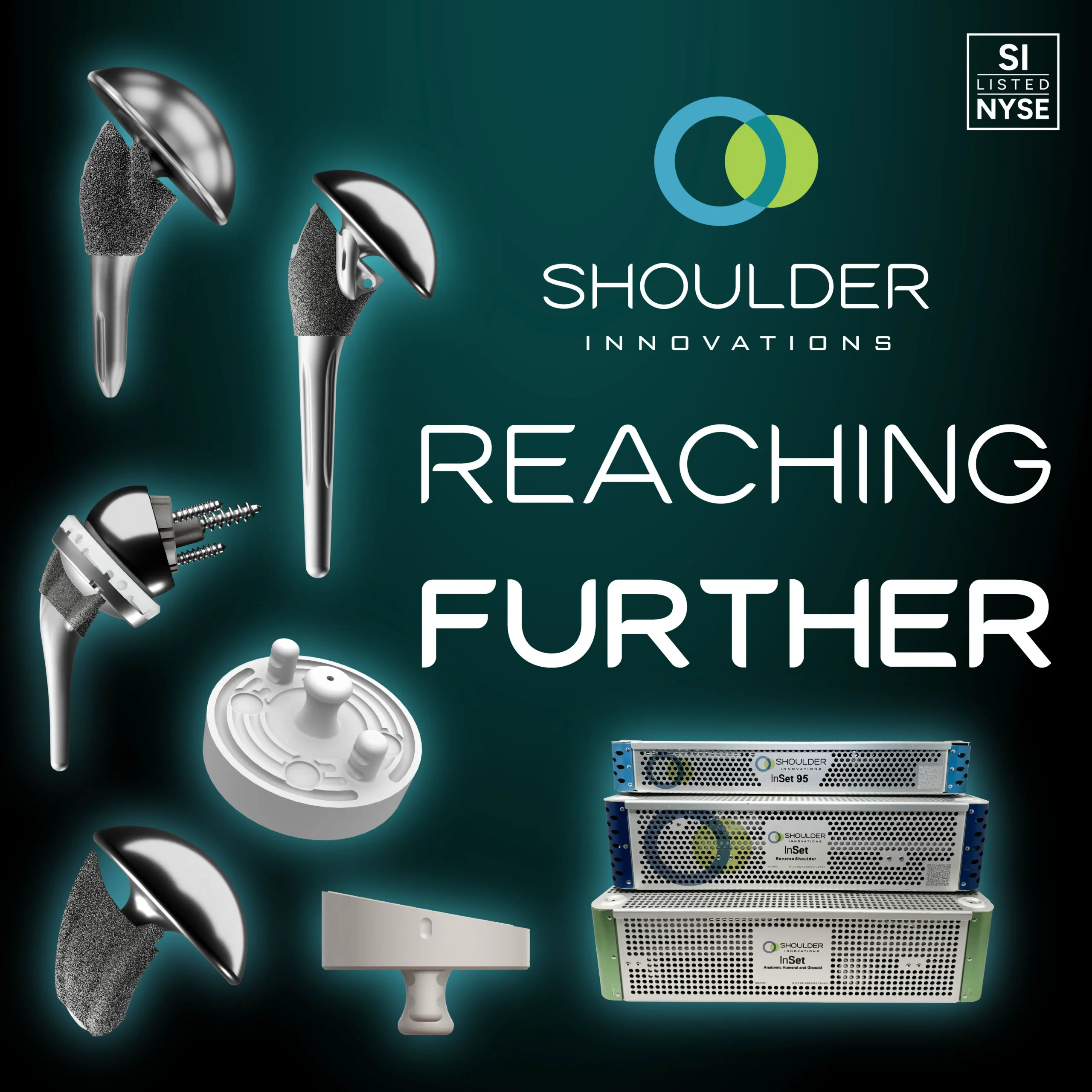
Both procedures replace the worn surfaces of the shoulder joint, but they are designed for different problems. A standard (anatomic) shoulder replacement recreates the natural ball-and-socket anatomy and works well for patients with shoulder osteoarthritis who still have an intact, functioning rotator cuff. A reverse shoulder replacement switches the positions of the ball and socket, placing the ball on the shoulder blade and the socket on the upper arm. This design allows the deltoid muscle to power the shoulder when the rotator cuff is torn, irreparable, or deficient, and is commonly used for rotator cuff arthropathy, massive irreparable cuff tears, certain complex fractures, and failed prior shoulder replacements. Dr. Hobson will review your imaging and the condition of your rotator cuff to recommend the option most likely to relieve pain and restore reliable function.
Elbow
Tommy John surgery is UCL (ulnar collateral ligament) reconstruction, most often performed on throwing athletes who have torn the ligament on the inside of the elbow. Some partial tears can be treated with UCL repair and internal brace augmentation, which offers a faster return to sport for appropriate candidates. Full reconstruction remains the standard for complete tears or ligaments with poor tissue quality, and has a strong track record of returning athletes to competition.
Lateral epicondylitis, commonly called tennis elbow, is a degenerative condition of the tendon on the outside of the elbow. The large majority of patients improve with activity modification, bracing, physical therapy, and selective injections, including biologic options such as platelet-rich plasma (PRP). When pain persists beyond six to twelve months of conservative care, a focused debridement procedure can remove the diseased tendon tissue and relieve symptoms.
This injury occurs when the biceps tendon tears away from its attachment on the forearm, typically after a sudden forceful load on a bent elbow. Patients often feel a pop, followed by bruising, weakness with supination (turning the palm up), and a change in the shape of the biceps. Surgical repair is usually recommended for active patients to restore strength, and outcomes are best when performed within a few weeks of injury.