
Total Shoulder Replacement

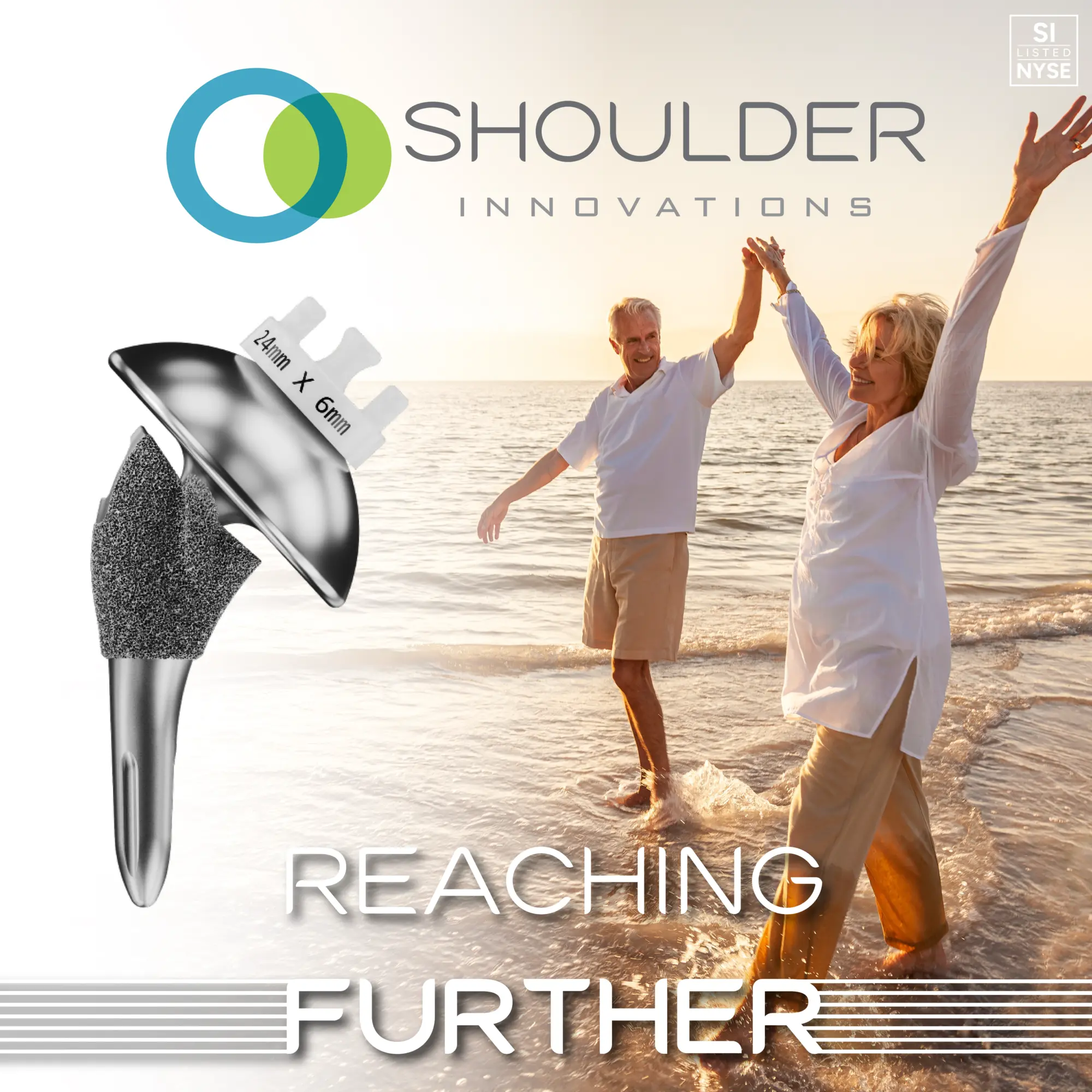
If shoulder arthritis is making it harder to sleep, dress, or reach overhead, total shoulder replacement may be the next step worth considering. Dr. Taylor Hobson performs anatomic shoulder replacement for California patients whose symptoms have outgrown non-surgical care.
Is This the Right Procedure for You?
Most patients who move toward shoulder replacement have already tried physical therapy, anti-inflammatory medications, corticosteroid injections, and activity modification. When those approaches no longer deliver meaningful relief or acceptable daily function, surgery becomes a reasonable conversation. The most common diagnoses that lead to anatomic replacement include:
- Osteoarthritis (age-related cartilage wear)
- Rheumatoid arthritis
- Post-traumatic arthritis from an older fracture or dislocation
- Avascular necrosis of the humeral head
Anatomic replacement is typically appropriate when the rotator cuff is still functioning. If the rotator cuff has severe, irreparable damage, reverse shoulder replacement may be a better fit, and Dr. Hobson will discuss that option during your consultation if it applies.
What the Procedure Involves
In anatomic shoulder replacement, worn cartilage and damaged bone are replaced with prosthetic components designed to recreate a smooth joint surface and reduce the painful bone-on-bone contact caused by arthritis. Surgery generally takes one to two hours. Many patients go home the same day, while others stay overnight depending on their overall health and recovery needs.
Why the Implant Choice Matters: The InSet® Total Shoulder System
The implant a surgeon selects has a meaningful influence on how well the shoulder functions afterward, how long the replacement is likely to last, and how straightforward any future revision surgery would be.
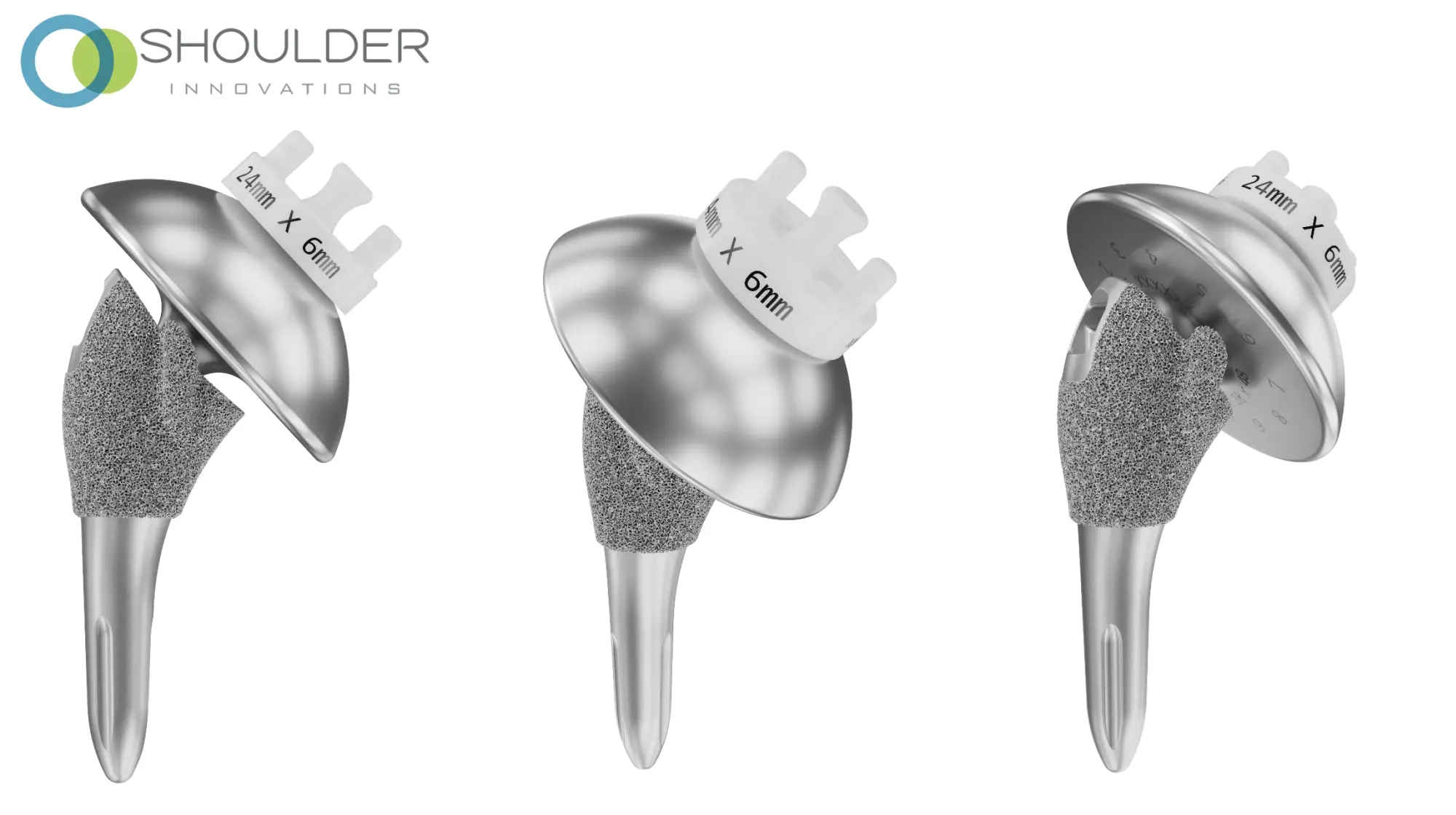
Dr. Hobson uses the InSet® Total Shoulder Replacement System, a modern titanium alloy platform engineered with long-term outcomes in mind.
A few of the reasons the InSet® system stands out:
Designed to address the most common cause of revision surgery. Across anatomic shoulder replacements, glenoid loosening (when the socket-side component becomes unstable in the bone) is the leading reason patients eventually need a second operation. The InSet® Glenoid is recessed into the strongest bone of the glenoid rather than sitting on top of the surface. Laboratory testing has shown this inlay design reduces stress on the glenoid implant by 87% compared to traditional components, and two long-term clinical studies reported improved range of motion with no glenoid loosening.
Options for your anatomy. The InSet® platform offers both Short Stem and Stemless anatomic implant options, so the implant can be matched to your bone quality and individual shoulder anatomy rather than forcing a one-size-fits-all approach.
Bone-preserving by design. Preserving healthy bone during the first shoulder replacement matters for two reasons: it generally means less post-operative pain and, if a second procedure is ever needed, more bone remains available to support a future implant. Bone-preserving humeral stems have been associated with reduced shoulder pain after surgery and a potentially faster return to activity.
Built with your future in mind. If a conversion to reverse shoulder replacement is ever required later in life, the existing InSet® humeral stem can often be retained, and the InSet® Glenoid is designed to simplify the exchange. Fewer surgical steps during a revision can translate to less time in the operating room, reduced blood loss, and a smoother recovery.
What Recovery Looks Like
Recovery is gradual and usually unfolds over several months. In the first weeks, you will wear a sling to protect healing tissue, with gentle passive motion guided by physical therapy. Active motion and light strengthening begin as healing progresses, and strength and endurance continue to improve for the better part of a year.
Most patients resume everyday activities within a few months, with maximal improvement often taking up to twelve months. A more detailed recovery guide is coming soon.
Getting Back to the Activities You Enjoy
Most patients return to activities such as swimming, golf, hiking, and cycling. Heavier lifting and contact sports are usually discouraged to help protect the implant over time. Specific recommendations depend on your implant type, bone quality, and personal goals, and Dr. Hobson will tailor that guidance to your situation.
Why California Patients Choose Dr. Hobson
Shoulder surgery is a subspecialty, and outcomes tend to reflect the surgeon’s depth of focus. Dr. Hobson is a shoulder specialist who takes time to walk patients through both what surgery can offer and where its limits are. Expect a straightforward conversation about whether replacement is the right move, what realistic outcomes look like for your situation, and how to prepare for a smooth recovery.
Schedule a Consultation
If shoulder arthritis is continuing to affect your quality of life despite non-surgical treatment, a consultation is the best way to find out whether total shoulder replacement makes sense for you.
Schedule a Consultation Today!