
Joint Preservation Surgeon
Preserve the Joint You Have
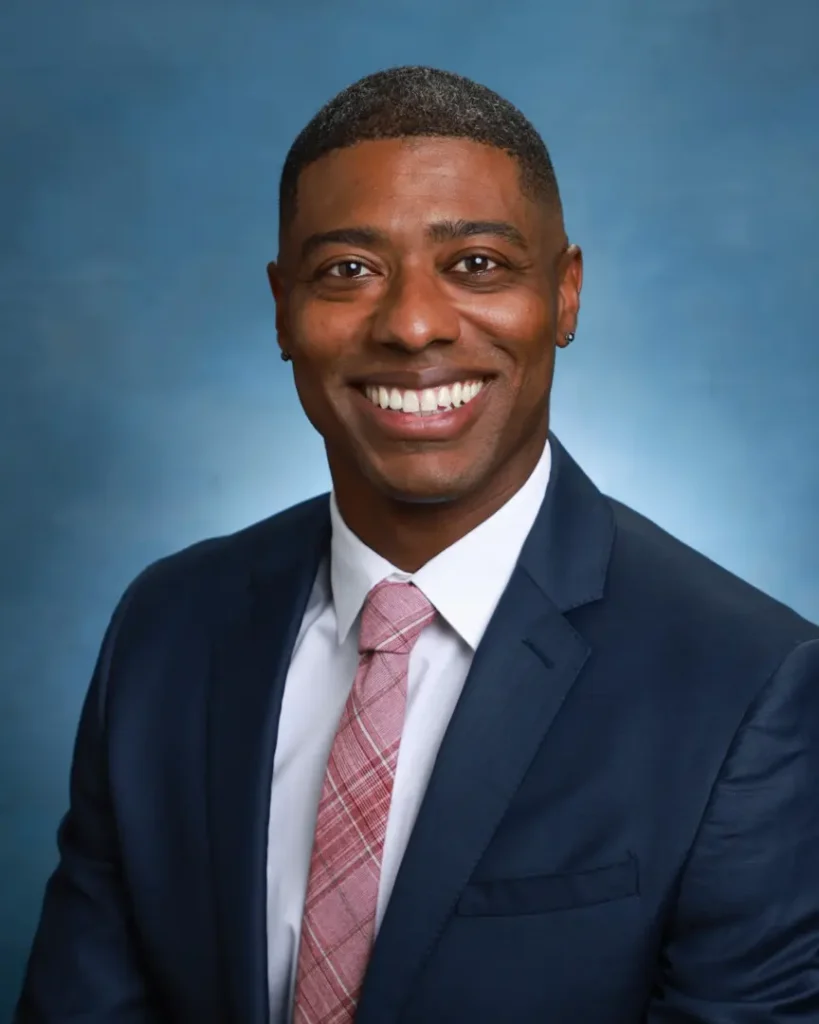
Joint replacement has transformed orthopedics, but it is not always the right answer, especially for younger and more active patients. Joint preservation is a philosophy and a set of techniques focused on a different goal: keep the natural joint healthy as long as possible. Taylor Hobson, MD practices this approach every day at his Tarzana, California sports medicine clinic. For patients facing early arthritis, cartilage injuries, structural problems like hip impingement or knee malalignment, or recurrent instability, joint preservation surgery can buy years, sometimes decades, before replacement enters the conversation.
Dr. Hobson trained with leaders in hip arthroscopy and cartilage restoration at the University of Utah and at Case Western Reserve University. His published research includes work on hip arthroscopy outcomes in the American Journal of Sports Medicine, patellofemoral instability, and cartilage restoration techniques. He brings that evidence base directly to the clinic, matching each patient with the procedure most likely to keep their joint functioning well for the long term.
When Is Joint Preservation the Right Approach?
Joint preservation makes sense when:
- Your joint has a correctable structural problem that, if left alone, will continue to cause damage.
- You have a focal cartilage defect that can be repaired or replaced rather than ignored.
- A torn meniscus can be repaired instead of removed, giving the knee better long-term protection.
- Recurrent instability, such as patellar dislocations or shoulder dislocations, is setting the joint up for future arthritis.
- You are young enough and active enough that joint replacement would likely wear out during your lifetime.
The first step is a thorough evaluation. Dr. Hobson will review your history, examine the joint, look carefully at imaging, and may order additional studies such as MRI, standing radiographs, or a diagnostic injection. From there you will have a clear picture of your options, including both non-surgical and joint-preserving surgical choices.
Conditions Treated
- Early Hip Osteoarthritis
- Early Knee Osteoarthritis
- Post-Traumatic Arthritis
- Focal Cartilage Defects
- Osteochondral Lesions
- Meniscus Deficiency
- Hip Impingement
- Hip Dysplasia
- Knee Malalignment
- Recurrent Joint Instability
- Athletic Joint Degeneration
Procedures Performed
- Hip Arthroscopy
- Knee Arthroscopy
- Meniscus Repair
- Meniscus Transplantation
- Cartilage Restoration
- Osteochondral Allograft Transplantation
- Osteochondral Autograft Transfer (OATS)
- Autologous Chondrocyte Implantation (MACI)
- Microfracture
- Osteotomies
- Biologic Injections
- Platelet-Rich Plasma (PRP)
- MISHA Procedure
Non-Surgical Joint Preservation
Surgery is one tool. The larger toolkit includes structured physical therapy, activity modification, weight management guidance, bracing, orthotics, and injections. Dr. Hobson uses diagnostic and therapeutic injections when they help clarify a diagnosis or delay the need for surgery. Biologic injections such as platelet-rich plasma (PRP) may be appropriate for certain tendon and cartilage conditions, with candidates selected carefully based on the evidence.
The honest conversation about what injections can and cannot do is part of every visit. Dr. Hobson is direct about which treatments have strong support and which are still emerging.
Who Benefits Most From This Approach
Joint preservation is a particularly strong fit for:
- Active adults in their 30s, 40s, and 50s with early joint changes
- Competitive and recreational athletes with cartilage or meniscus injuries
- Adolescents and young adults with structural hip or knee issues
- Patients who have already had joint surgery and want to extend the life of their joint
Schedule a Consultation Today!