
Cartilage Restoration
Restoring the Cartilage That Protects Your Joints
Articular cartilage is the smooth, slick surface that lets joints glide without pain. Once damaged, it does not heal on its own. A focal defect in the knee or hip, even a small one, can cause pain far out of proportion to its size and, left alone, often gets worse over time. Cartilage restoration refers to a group of surgical techniques that repair or replace this damaged surface, relieving pain and helping protect the joint from accelerated arthritis.
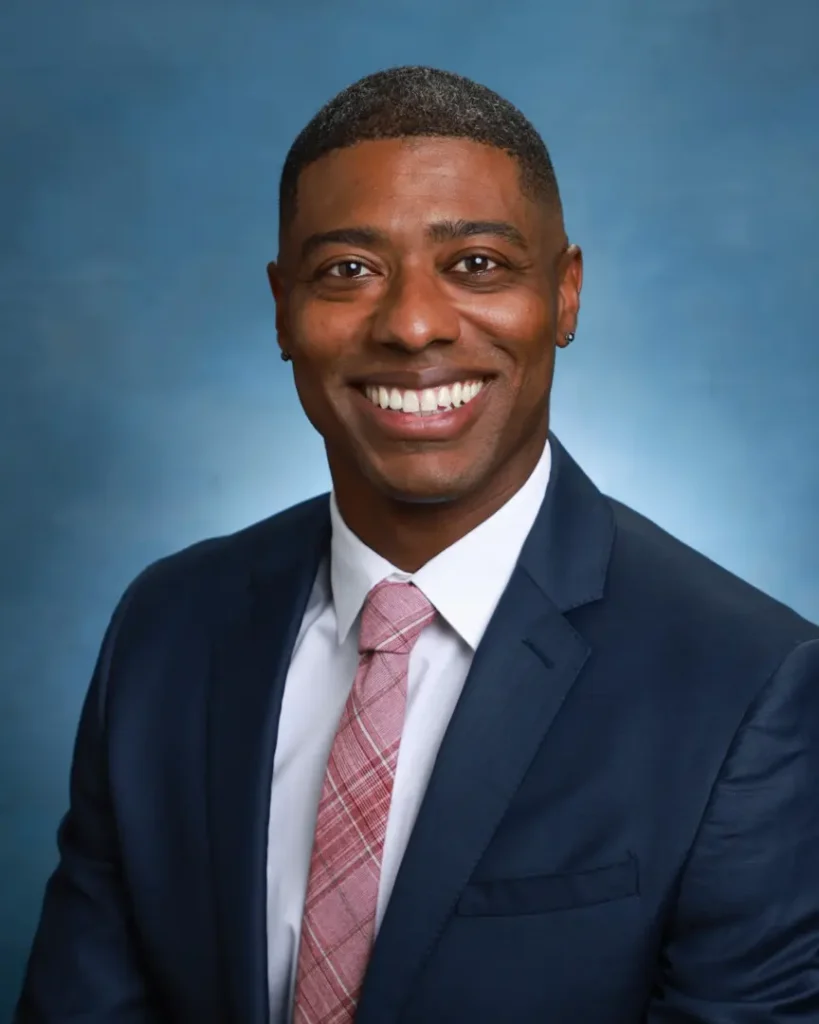
Taylor Hobson, MD is a fellowship-trained orthopedic sports medicine surgeon serving Tarzana, California. He performs the full range of modern cartilage restoration procedures and takes the time to match each patient to the procedure that fits their specific defect, activity level, and long-term goals.
Why Cartilage Repair Matters
Unlike a torn meniscus or a rotator cuff tendon, articular cartilage lacks the blood supply needed to heal spontaneously. When a chunk of cartilage is lost, the underlying bone is exposed. That is painful, and it is a setup for further degeneration. Untreated cartilage defects often progress to wider arthritis, narrowing future options and moving patients closer to joint replacement.
Cartilage restoration offers an alternative path. The right procedure for the right defect can relieve pain, restore smooth joint motion, and delay or avoid arthritic progression, especially in younger, more active patients.
Conditions Treated
- Focal Cartilage Defects
- Osteochondral Lesions
- Osteochondritis Dissecans
- Chondral Injuries of the Knee
- Chondral Injuries of the Hip
- Early Joint Degeneration
- Post-Traumatic Cartilage Injury
Procedures Performed
- Microfracture
- Matrix-Augmented Microfracture
- Osteochondral Autograft Transfer (OATS)
- Osteochondral Allograft Transplantation
- Autologous Chondrocyte Implantation (MACI)
- Particulated Cartilage Transplantation
- Biologic Cartilage Augmentation
- Cartilage Debridement
- Chondroplasty
What Recovery Looks Like
Cartilage recovery is deliberate. Most procedures require a period of protected weight-bearing, a structured progression back to impact activities, and patience. The biology of cartilage healing simply does not respond to rushed rehabilitation. Additionally, Dr. Hobson has very specific protocols he can give to a patient’s therapist, and is happy to confer on any questions or concerns regarding the patient’s recovery.
Most patients return to walking within a few weeks and to low-impact exercise such as cycling or swimming during the first few months, with a gradual build back to running or cutting sports over six to twelve months depending on the procedure.
Schedule a Consultation Today!