
Reverse Shoulder Replacement

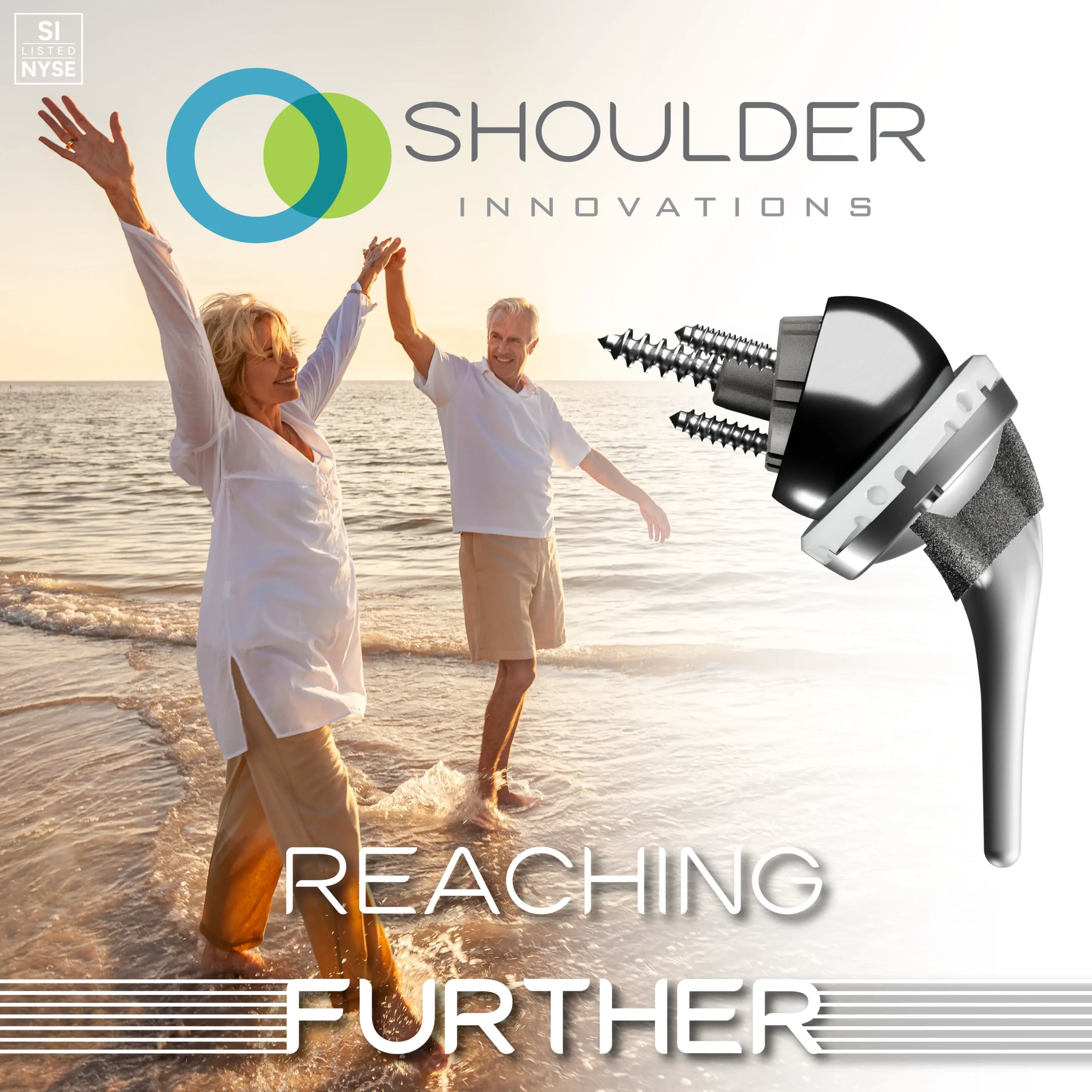
When a combination of arthritis, rotator cuff damage, or a severe shoulder fracture has made it difficult to raise your arm or use your shoulder in everyday life, reverse shoulder replacement can restore a remarkable amount of function. Dr. Taylor Hobson performs reverse shoulder replacement for patients whose condition is not well suited to a traditional anatomic total shoulder replacement.
Is This the Right Procedure for You?
Reverse shoulder replacement is designed for shoulders where the rotator cuff can no longer do its job. When that happens, a standard anatomic replacement often falls short because it still relies on the cuff to stabilize and move the joint. Reverse replacement solves that problem in a different way, which is why it has become so widely adopted. Today, reverse procedures account for an estimated 70% of all shoulder replacements performed in the United States.
Reverse replacement is commonly recommended for:
- Large, irreparable rotator cuff tears
- Cuff tear arthropathy (CTA), where a significant rotator cuff tear and arthritis coexist
- Severe shoulder arthritis, especially in older patients
- Complex shoulder fractures that are unlikely to heal predictably
- Pseudo-paralysis, where the arm cannot be raised at all due to cuff deficiency
Most patients reach this point only after conservative measures (physical therapy, anti-inflammatory medications, corticosteroid injections, activity changes) have stopped providing meaningful relief. Dr. Hobson will review your imaging and exam findings to confirm whether reverse replacement is the best option for your anatomy and goals.
What the Procedure Involves
Reverse shoulder replacement gets its name from the way the implant reorganizes the joint. In a healthy shoulder, the ball sits on top of the humerus and the socket is on the scapula. In a reverse replacement, that configuration is flipped: the ball is fixed to the glenoid (scapula), and the socket sits on top of the humerus. This change shifts the mechanics of the joint onto the deltoid muscle rather than the rotator cuff, which is how it restores motion in shoulders where the cuff is no longer functional.
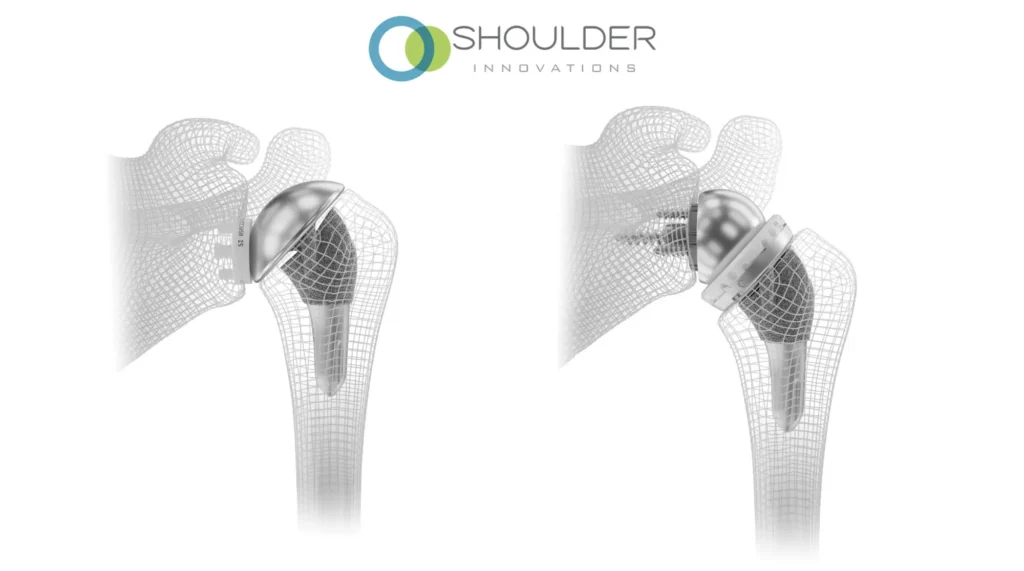
Reverse shoulder replacement is the only joint replacement designed to restore movement when the muscles and tendons that normally drive that motion are damaged or absent. For patients with CTA or massive cuff tears, this often means dramatic improvements in quality of life after recovery.
Why the Implant Choice Matters: The InSet® Reverse Shoulder System
Not all reverse shoulder implants are built the same, and the components your surgeon selects influence how well the shoulder functions, how long the replacement is likely to last, and how straightforward future surgery would be if it ever became necessary. Dr. Hobson uses the InSet® Titanium Reverse Shoulder System, a modern platform engineered for long-term performance and individualized fit.
A few of the reasons the InSet® Reverse system stands out:
Extensive implant configurations to match your anatomy. No two shoulders are alike, especially after significant cuff damage, arthritis, or trauma. The InSet® Reverse system offers a wide range of implant combinations so Dr. Hobson can tailor the reconstruction to your specific anatomy and condition. Matching the implant to the patient rather than the other way around gives you the best chance at optimized motion and reduced complication risk.
Titanium stems designed for bony ingrowth. The InSet® Titanium humeral stems feature three curved fins with a porous titanium coating that encourages your own bone to grow into the surface of the implant. This biological fixation can strengthen the stem’s hold within the humerus and contribute to long-term stability.
3D surgical planning with ProVoyance®. The InSet® Reverse system is supported by ProVoyance®, an automated planning software that converts a preoperative CT scan into a detailed 3D model of your shoulder. Dr. Hobson can size the implant, determine optimal positioning, and rehearse the surgery virtually before you enter the operating room. That level of preoperative precision is associated with better component placement, which directly affects motion and longevity.
Bone-preserving by design. Preserving bone in your first reverse replacement matters for two reasons: it is generally associated with less post-operative pain and a potentially faster return to activity, and if a future revision is ever recommended, more native bone remains to support the new implant. The InSet® Reverse also offers personalized configurations that can reduce the amount of bone removal required for optimal placement.
What Recovery Looks Like
Recovery from reverse shoulder replacement is gradual and generally unfolds over several months. A sling is worn during the early weeks to protect healing tissues, with physical therapy introduced on a schedule tailored to your case. Many patients begin returning to light daily activities within roughly two to six weeks of surgery, with continued gains in strength and motion over the months that follow. A detailed recovery guide is coming soon.
Getting Back to the Activities You Enjoy
Most patients regain the ability to perform everyday tasks such as reaching overhead, dressing, grooming, and sleeping comfortably, things that may have become difficult or impossible before surgery. Many also return to low-impact activities like walking, swimming, and golf. Heavy lifting and high-impact activity are typically discouraged to protect the implant, and Dr. Hobson will provide personalized guidance based on your recovery and goals.
Why Patients Choose Dr. Hobson
Reverse shoulder replacement is a technically demanding procedure, and outcomes tend to reflect the surgeon’s experience and focus. Dr. Hobson concentrates his practice on shoulder conditions, uses contemporary implant platforms like the InSet® Reverse system, and works through each case with clear communication about what surgery can and cannot accomplish. Expect a straightforward conversation about whether reverse replacement is the right step and what realistic outcomes might look like for your situation.
Schedule a Consultation
If rotator cuff damage, arthritis, or an injury is limiting your shoulder function and non-surgical care is no longer enough, a consultation is the best way to find out whether reverse shoulder replacement is the right option.
Schedule a Consultation Today!