If shoulder pain has taken over your life, making it hard to sleep, get dressed, or even lift your arm above your head, you may be exploring your surgical options. One procedure that has helped many patients reclaim their quality of life is reverse shoulder replacement surgery. But what is reverse shoulder replacement surgery, exactly, and could it be the right choice for you?
Key Takeaways
- Reverse shoulder replacement surgery reverses the natural ball-and-socket configuration of the joint, allowing the deltoid muscle to power shoulder motion in place of a damaged rotator cuff.
- It is most often recommended for conditions such as large rotator cuff tears, cuff tear arthropathy, severe shoulder arthritis, and certain complex fractures.
- Many patients have experienced improvements in both pain levels and range of motion following surgery and rehabilitation.
Understanding Your Shoulder
Your shoulder is one of the most mobile joints in the entire body. Three bones form the joint: the humerus (your upper arm bone), the scapula (shoulder blade), and the clavicle (collarbone). It is a ball-and-socket joint. The rounded top of the humerus acts as the “ball,” and a shallow part of the scapula called the glenoid serves as the “socket.”
A smooth layer of cartilage lines both the ball and the socket. This cartilage allows your bones to smoothly glide against each other. Surrounding the joint is the rotator cuff, a group of four muscles and tendons that help stabilize the shoulder and power arm movement. The deltoid, a large muscle that caps the top of the shoulder, also plays a key role in lifting and rotating the arm.
When the rotator cuff sustains serious damage or the cartilage wears away significantly, the shoulder may lose its stability and its ability to move freely. Everyday tasks that once felt effortless can become genuinely difficult or even impossible. That is when surgical treatment may become a consideration.
What Is Reverse Shoulder Replacement Surgery?
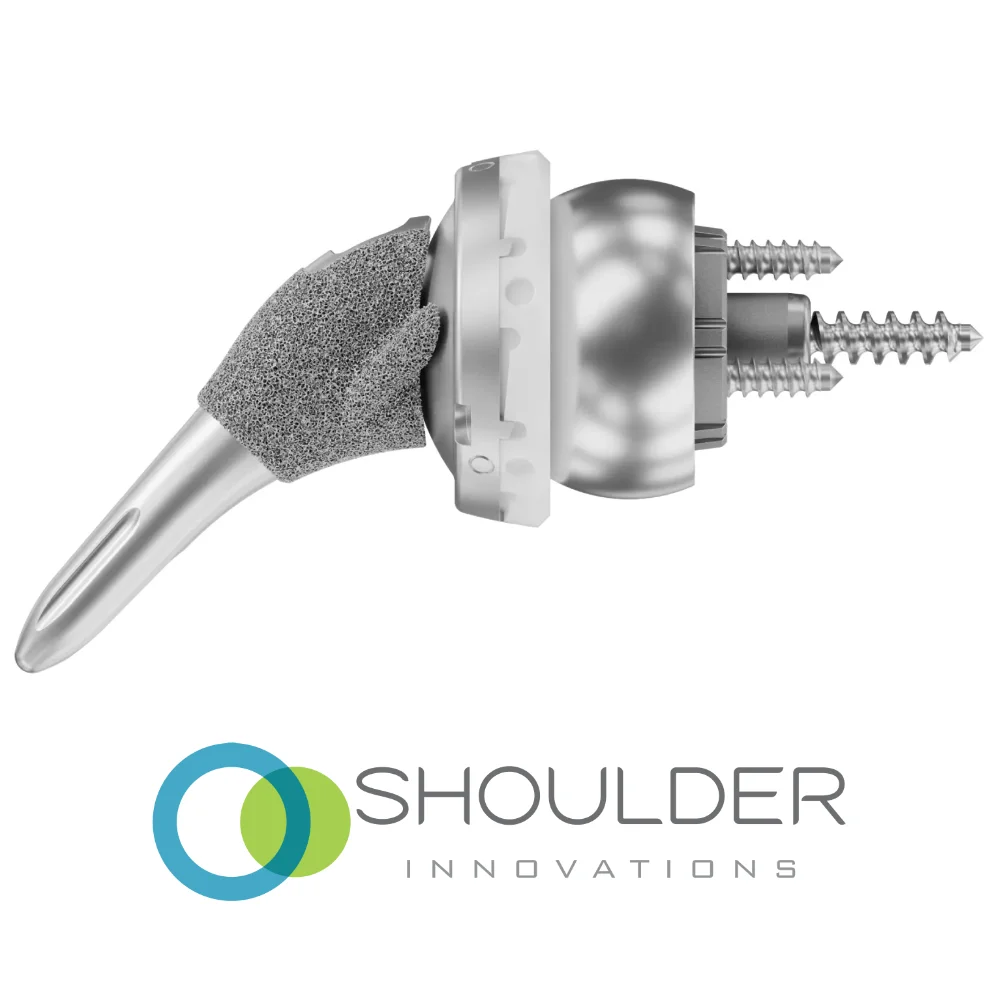
In a healthy shoulder, the ball sits on the humeral side and the socket sits on the glenoid side of the scapula. A reverse shoulder replacement flips that arrangement entirely. The ball component is placed on the shoulder blade, and the socket component is placed on the upper arm bone. That is precisely why it carries the name “reverse,” because it is the opposite of natural anatomy.
This design change has a very specific purpose. A standard shoulder replacement still depends on an intact rotator cuff to move the arm. When the rotator cuff is severely torn or no longer functional, a traditional implant may not restore adequate motion. The reverse configuration changes the mechanics of the shoulder joint, allowing the deltoid muscle to play a larger role in lifting the arm when the rotator cuff is no longer functional.
Who May Be a Candidate?
Not everyone with shoulder pain will need this procedure. Reverse shoulder replacement surgery may be recommended for patients dealing with one or more of the following conditions.
Large Rotator Cuff Tears
A massive rotator cuff tear can make the shoulder deeply unstable. In some cases, when the tear is large enough, the upper arm bone may migrate upward and begin rubbing against the acromion, a bony projection of the shoulder blade that lacks smooth cartilage. This contact causes significant pain and can severely limit arm movement.
Cuff Tear Arthropathy
Cuff tear arthropathy, often abbreviated as CTA, develops when a large rotator cuff tear occurs alongside arthritis. In the most serious cases, patients may lose nearly all shoulder function. CTA is a common reason a surgeon may recommend reverse shoulder replacement surgery.
Complex Shoulder Fractures
In some cases, a severe fracture of the humeral head cannot be effectively treated with standard repair techniques. When this happens, especially in older patients, a reverse shoulder replacement may offer more reliable and predictable outcomes than attempting to fix the broken bone directly.
How Is It Different from a Standard Shoulder Replacement?
This question comes up often. Both procedures replace the damaged surfaces of the shoulder joint, but the implant design and the patient population are meaningfully different.
A traditional total shoulder replacement mimics natural anatomy. It places the ball on the humerus and the socket on the glenoid. It generally works well when the rotator cuff remains largely intact, since patients can rely on their own tendons and muscles to power movement after surgery.
Reverse shoulder replacement surgery addresses a fundamentally different situation. When the rotator cuff can no longer do its job, a standard implant often lacks the stability needed for functional arm movement. The reverse design compensates by reassigning the work of lifting the arm to the deltoid muscle. This design may help some patients with severe rotator cuff damage improve their ability to raise the arm after recovery.
What to Expect Before Surgery
Ahead of surgery, the first step is a thorough evaluation. Expect imaging, including X-rays and possibly an MRI and CT scan, to give your surgeon a detailed picture of your joint, cartilage, and surrounding soft tissue. A physical exam will assess your current strength, range of motion, and overall shoulder function.
In many cases, non-surgical treatments are explored first. These may include physical therapy, activity modifications, anti-inflammatory medications, or injections. If those approaches fail to provide lasting relief, your surgeon may recommend moving forward with surgery.
In the weeks before your procedure, your care team may ask you to:
- Complete targeted exercises to strengthen the muscles surrounding your shoulder
- Stop smoking, as research suggests smoking may increase the risk of complications
- Avoid alcohol in the period leading up to your procedure
- Share a full list of your medications, including prescription, over-the-counter, and any supplements, with your surgeon
The night before surgery, you will likely need to fast. Your surgeon or care team will give you clear, specific instructions tailored to your situation.
What to Expect on the Day of Surgery
You will typically arrive at the hospital or ambulatory surgery center about two hours before your procedure begins. A nurse will place an IV, and your anesthesiologist may speak with you and address any questions you may have.
Reverse shoulder replacement surgery is generally performed under general anesthesia. A regional nerve block may also be used to help manage pain in the hours immediately following the procedure. The surgery itself involves removing the damaged joint surfaces and positioning the new implant components.
After surgery, you will spend time in a recovery area while the anesthesia wears off. Once you are stable and comfortable, you will be moved to a space where your family or support person can be with you. Before discharge, your care team will review what to expect at home.
Having someone available to drive you home, and ideally to stay with you for a few days, is recommended. Loose, easy-to-manage clothing can also make the transition home much more comfortable.
Recovery After Reverse Shoulder Replacement Surgery
Recovery takes time, and that is completely normal. Most patients experience some degree of shoulder pain and stiffness in the first days and weeks after surgery. Your care team will develop a pain management plan to keep you as comfortable as possible throughout this phase.
A sling is commonly used to protect the joint during early healing. Physical therapy is a cornerstone of a successful recovery, and committing to your rehabilitation program is one of the most important things you can do. PT may begin relatively soon after surgery or a few weeks later, depending on your individual situation and your surgeon’s guidance.
Many patients return to light daily activities somewhere between two and six weeks after surgery. More demanding activities, such as reaching overhead, carrying heavy objects, or returning to recreational sports, generally require more time and will be guided by your surgeon based on your progress.
Summary
Shoulder pain does not have to define your daily life. If a failed rotator cuff, deteriorating cartilage, or a severe fracture has left you struggling with the activities you once took for granted, you may be a candidate for reverse shoulder replacement surgery. This procedure has helped many patients regain meaningful shoulder motion and return to the things that matter most to them. If you are curious about whether this procedure might be appropriate for your situation, we encourage you to schedule a consultation and take that first step in learning about your treatment options.
Frequently Asked Questions
What is the recovery timeline for reverse shoulder replacement surgery?
Recovery timelines vary widely. Most patients return to light daily activities within two to six weeks. Maximal recovery commonly takes six months to a year or longer, depending on healing progress and individual health factors. Your surgeon can give an estimate based on your specific condition.
Will I be in a lot of pain after surgery?
Some pain and discomfort after surgery is expected and normal. Your care team will put together a pain management plan to keep you as comfortable as possible during recovery. Many patients find that their pain improves meaningfully as healing progresses.
How do I know if I am a candidate for reverse shoulder replacement surgery?
The best way to find out is to meet with an experienced shoulder specialist. Your doctor will review your imaging, evaluate your symptoms, and discuss your treatment history to determine whether reverse shoulder replacement surgery is the most appropriate path forward based on your unique situation.