Medically reviewed by Taylor Hobson, M.D.
One of the first questions almost every patient asks me after they’ve felt a pop in their knee is, “What does an ACL tear feel like?” You don’t always know right away whether you’ve torn something serious or just twisted the knee badly, and that uncertainty in the first few minutes can feel worse than the pain itself. As a sports medicine surgeon who has spent years on the sideline as well as in the operating room, I’ve heard hundreds of versions of this story, and certain patterns show up again and again. In this post, I want to walk through what an ACL tear actually feels like in the moment, what tends to follow in the hours and days after, and when it’s time to get the knee checked out.
Key Takeaways
- A classic ACL tear often involves a popping sensation, rapid swelling, and a feeling that the knee is unstable or about to give way.
- Not every ACL tear announces itself the same way. Some patients feel only mild discomfort at first, especially with partial tears.
- A physical exam, often paired with an MRI, is the most reliable way to confirm an ACL tear and rule out other injuries.
- Not every ACL tear requires surgery. The right treatment depends on age, activity level, and how unstable the knee feels.
What Is the ACL, and Why Does a Tear Feel the Way It Does?
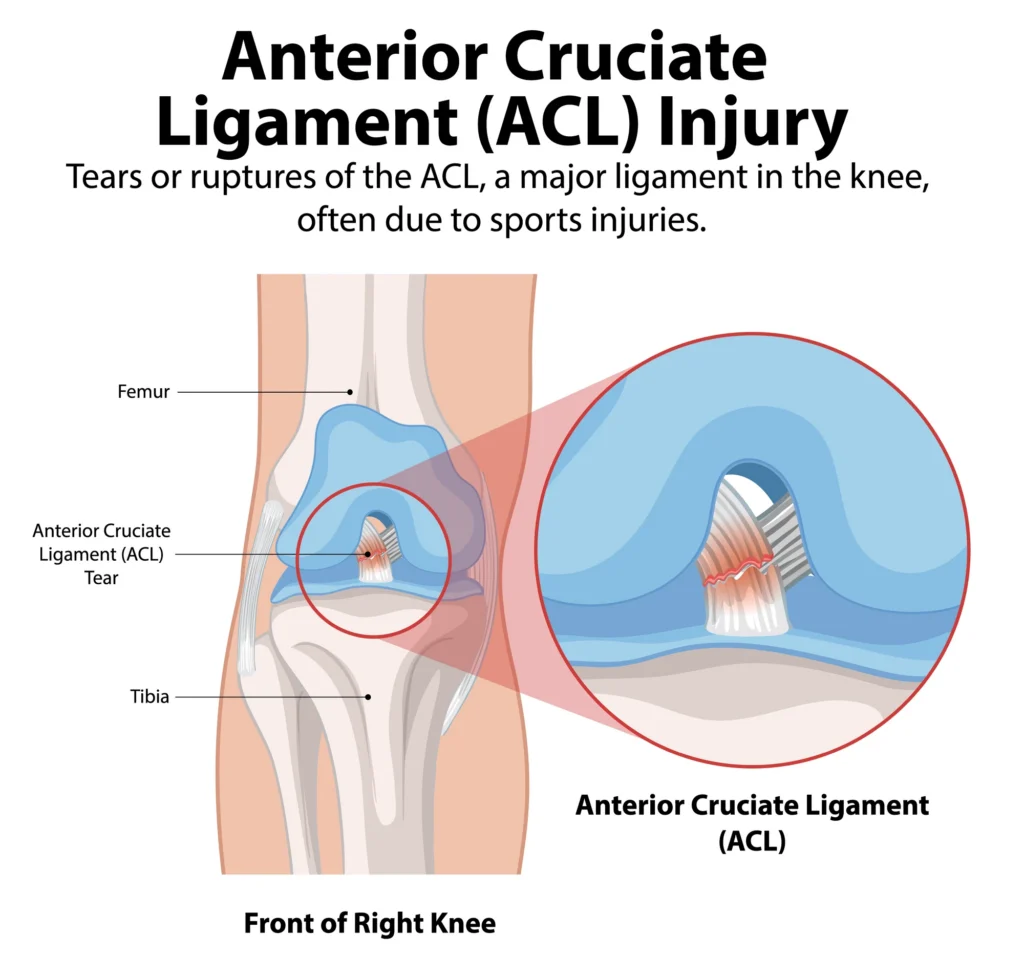
The anterior cruciate ligament, or ACL, is one of the main stabilizing ligaments inside the knee. It runs diagonally through the center of the joint, connecting the thigh bone to the shin bone, and its job is to control how much the shin slides forward and rotates relative to the thigh. When the ACL tears, the knee loses a key piece of its stability, which is exactly why so many patients describe a feeling of looseness or unpredictability afterward, not just pain.
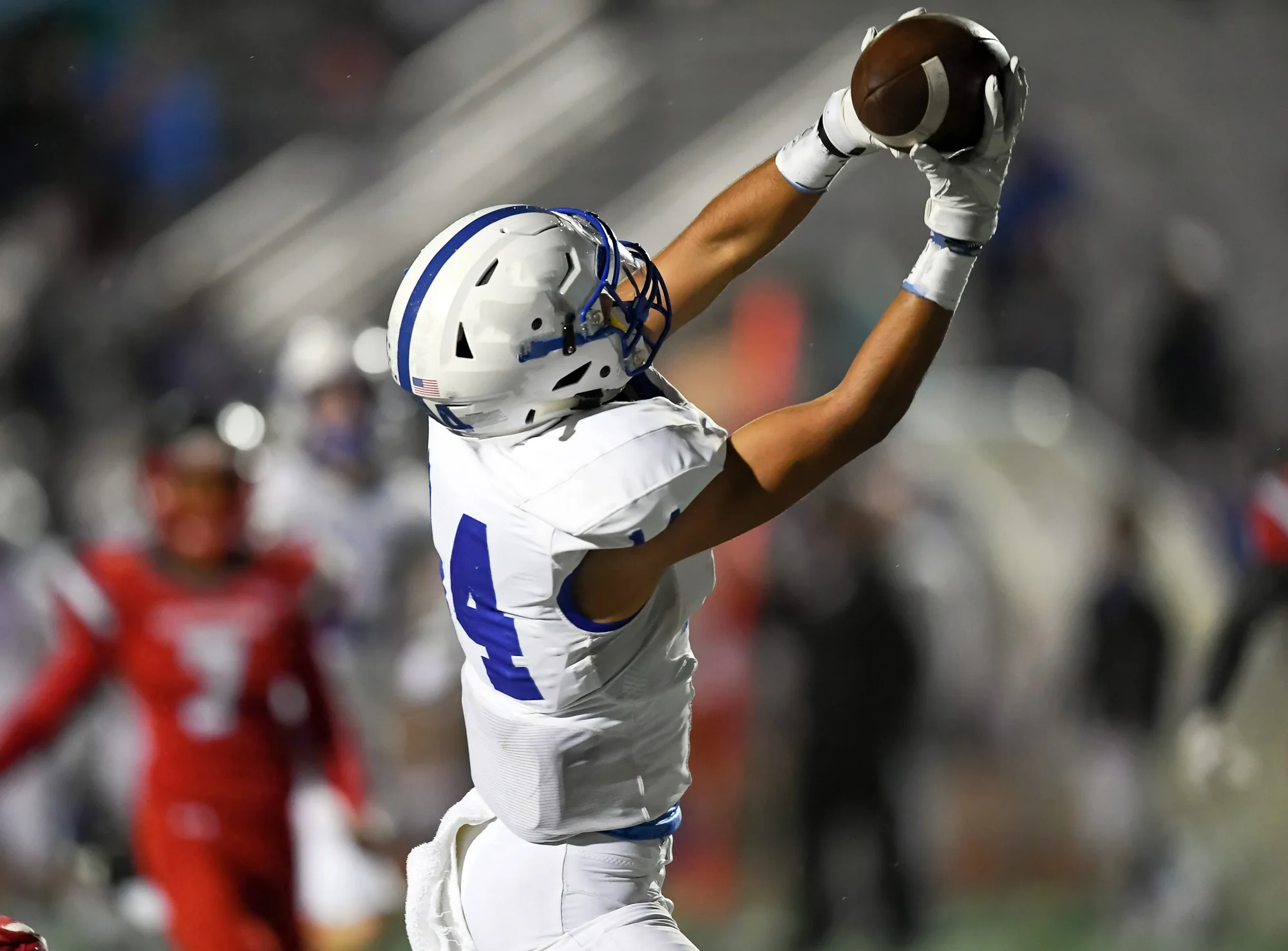
Most ACL tears happen during sudden deceleration, pivoting, or landing awkwardly from a jump, sometimes without any contact from another player at all. That noncontact mechanism surprises a lot of patients, who expect a tear to require a hard hit. In my experience, that’s not always the case.
What I See in My Patients
I’ve covered athletes at every level, from Notre Dame High School in Sherman Oaks to professional football and hockey, and the way someone describes an ACL tear right after it happens is often the most useful clue I get before I’ve even examined the knee. A lot of athletes tell me they heard or felt a distinct pop, followed almost immediately by a sense that the knee wasn’t going to hold them up. Some try to keep playing for a few minutes on adrenaline and instinct, only to have the knee buckle the moment they try to cut or pivot again.
Skiers and weekend athletes I see in my Tarzana practice sometimes describe it differently: less of a pop and more of a twisting, shifting sensation, like the knee moved somewhere it shouldn’t have.
What Does an ACL Tear Feel Like? Common Symptoms
While every injury is a little different, a few sensations come up consistently enough that I consider them hallmarks of an ACL tear:
- A pop or snap at the moment of injury, sometimes audible to people standing nearby, sometimes felt rather than heard.
- Rapid swelling, often within the first two to four hours, caused by bleeding inside the joint.
- A feeling of instability, like the knee is going to buckle, slide, or give way, especially when trying to pivot or change direction.
- Pain that can range from sharp and severe to surprisingly mild, depending on the tear and the individual.
That range in pain intensity catches people off guard. I’ve had athletes walk into my office with a confirmed ACL tear who were more bothered by the swelling and the feeling of instability than by pain itself.
When It Doesn’t Feel Like the “Classic” Tear
Not every ACL tear follows the textbook description. Partial tears can cause milder symptoms, sometimes just a sense that the knee feels different or less trustworthy than before, without the dramatic pop or immediate swelling. Tears that happen alongside other injuries, such as a meniscus tear or a collateral ligament sprain, can also blur the picture, since pain from those structures may overshadow the ligament injury underneath.
This is why I don’t rely on a patient’s description alone to make the diagnosis. A thorough physical exam, checking how the knee moves and how stable it feels under specific stress tests, gives me information that symptoms by themselves can’t.
My Approach to Treatment
Once I suspect an ACL tear, I confirm it with a focused physical exam and, in almost every case, an MRI, which also lets me check for related injuries to the meniscus or cartilage that often travel with an ACL tear.
Treatment isn’t automatic surgery for everyone. Some lower-demand patients, particularly those who aren’t doing pivoting or cutting sports, do well with structured rehabilitation and activity modification alone. Active patients, athletes, and anyone dealing with recurrent instability are usually better candidates for ACL reconstruction, using a graft from your own tissue or, in some cases, donor tissue. I also perform revision ACL reconstruction for patients whose prior surgery didn’t hold up, and I’ll address meniscus or cartilage damage in the same surgery whenever it makes sense to do so. Wherever possible, I lean toward preserving the meniscus rather than removing it, since that tissue can help support the knee’s long-term health.
Recovery After ACL Reconstruction
Recovery from ACL reconstruction is measured in months, not weeks, and I’m upfront about that from the first conversation. Early recovery focuses on reducing swelling, restoring range of motion, and protecting the graft while it integrates into the bone. Strength and stability work build progressively over the following months, and return-to-sport timelines for competitive athletes commonly fall in the nine-to-twelve-month range, sometimes longer, depending on the sport and how the knee is progressing.
I tailor return-to-play protocols to the sport and the athlete, whether that’s a teenager working back into competitive soccer or a weekend skier hoping to get back on the mountain next season. Rushing this timeline is one of the more common ways I see patients set themselves up for a second injury, so I’d rather see steady, confirmed progress than a fast but fragile return.
Summary
What does an ACL tear feel like? In the moment, often a pop, sudden swelling, and a knee that doesn’t feel like it can be trusted. In the days that follow, the picture can get more complicated, especially if other structures in the knee were injured at the same time. If you’ve experienced any of these symptoms after a pivot, landing, or sudden change of direction, don’t wait to find out what’s actually going on inside the joint. Schedule an evaluation so we can examine the knee, get appropriate imaging, and figure out the treatment path that fits your activity level and your goals.
Frequently Asked Questions
Can you walk on a torn ACL?
Many people can walk, and some can even bear weight fairly normally, shortly after tearing the ACL, especially once initial swelling and pain settle down. Walking without obvious difficulty doesn’t rule out a tear, which is part of why imaging is so useful.
How soon after an injury should I see a doctor if I suspect an ACL tear?
Getting evaluated within the first few days is a reasonable goal, especially if you noticed swelling, a pop, or a feeling of instability. Early evaluation also makes it easier to assess the knee before swelling and guarding make the exam more difficult.
Does every ACL tear require surgery?
No. Some patients, particularly those who aren’t engaged in pivoting or cutting activities, can do well with rehabilitation and activity changes alone. Whether surgery makes sense depends on your age, activity level, and how unstable the knee feels day to day.
Can an ACL tear heal on its own?
The ACL generally doesn’t heal back to its original strength on its own once it’s torn, since it doesn’t have a strong blood supply. Some patients still achieve a stable, functional knee without reconstruction, particularly with lower activity demands, but that outcome depends heavily on the individual case.