Medically reviewed by Taylor Hobson, MD
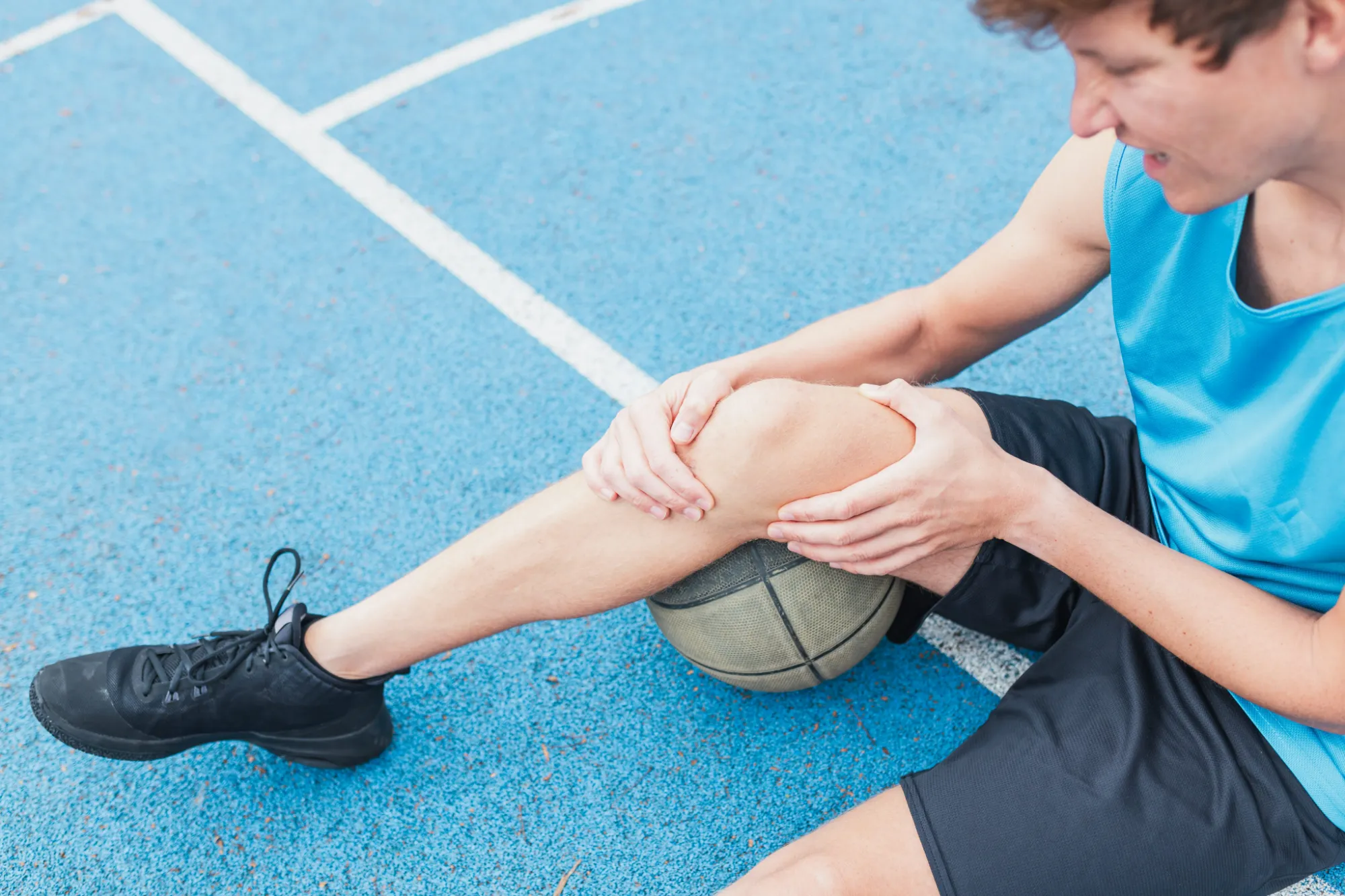
When I see shoulder instability in young athletes, the question I get asked most isn’t “How bad is it?” It’s “Will this happen again?” That’s usually the right question to ask. A shoulder that dislocates once in a sixteen-year-old football player behaves differently than the same injury in a forty-year-old weekend golfer. A large share of my patients with shoulder instability in young athletes are teenagers and college-aged competitors. The decisions we make together in the first few weeks after an injury can shape the rest of a season, or a career.
Key Takeaways
- Shoulder instability in young athletes carries a meaningfully higher risk of repeat dislocation than the same injury in older, less active patients.
- Not every dislocated shoulder needs surgery. The right answer depends on the direction of instability, bone loss, and how many times it’s happened.
- Arthroscopic Bankart repair is often the first surgical option for a first-time dislocation without significant bone loss.
- Recurrent instability paired with meaningful glenoid bone loss usually points toward a different procedure, called a Latarjet.
What Shoulder Instability Actually Means
Shoulder instability happens when the ball of the joint moves out of its socket more than it should. It can be partial or complete. A subluxation is a partial, temporary slip that usually reduces on its own. A dislocation is the full thing. The ball leaves the socket entirely, and it typically needs to be put back in place, sometimes by a professional on the field, sometimes in an emergency room.
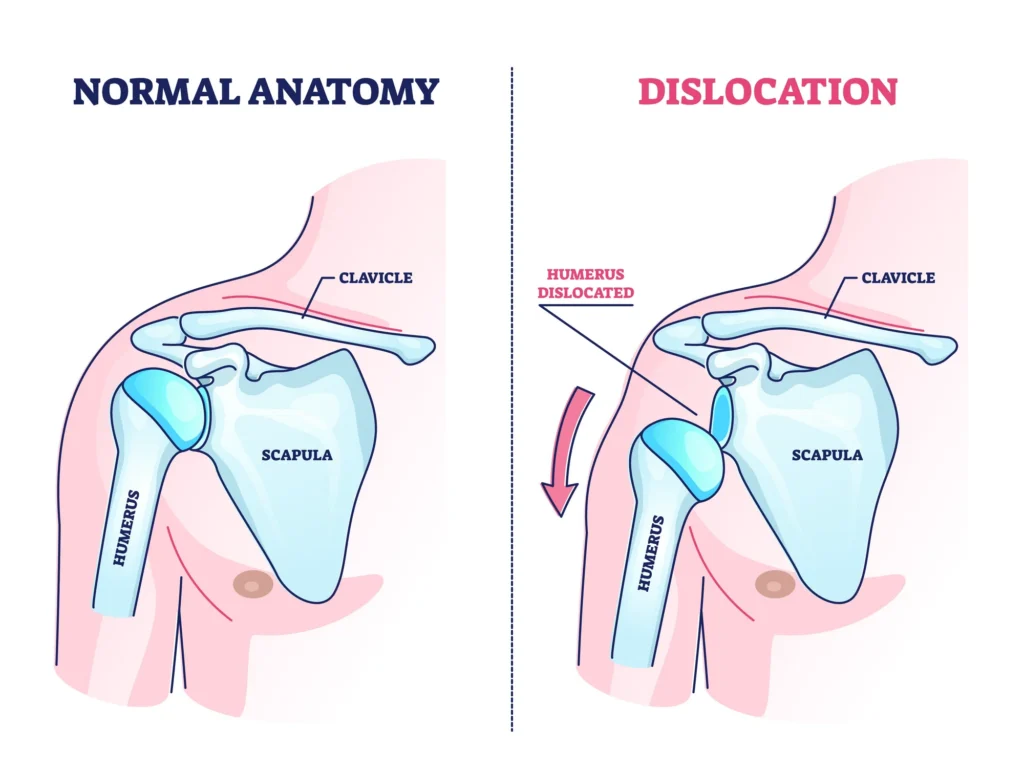
The shoulder trades stability for range of motion. It’s the most mobile joint in the body, and that’s exactly why it dislocates more often than the hip or the knee. Ligaments, the labrum, and the surrounding muscles hold everything together. Enough force, or enough repeated stress in the wrong direction, can stretch or tear that support system.
Why Young Athletes Are Different
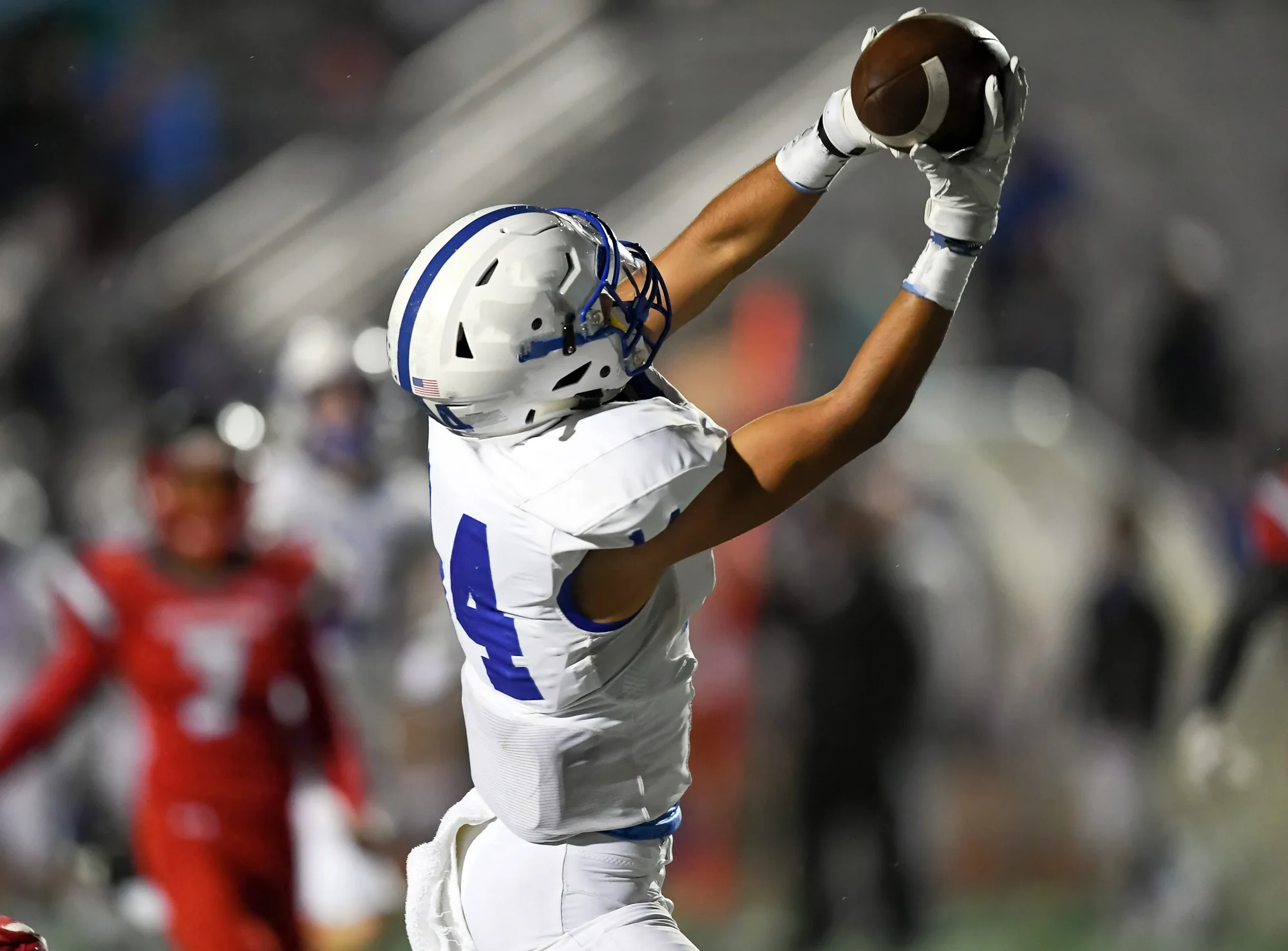
Age changes the math on this injury more than almost any other factor. Teenagers and athletes in their early twenties tend to have looser ligaments to begin with. They’re also often playing sports that put the shoulder in vulnerable positions over and over: football, wrestling, volleyball, gymnastics, throwing sports. Research generally shows that younger patients, especially those in collision-heavy sports, carry a higher chance of a repeat dislocation, especially if treated with rest and rehab alone.
That doesn’t mean every young athlete needs surgery after one dislocation. It does mean the conversation about risk tolerance looks different for someone heading back onto a field or a mat soon.
How the Diagnosis Gets Made
A careful history usually points toward the mechanism. Was this a direct blow? A fall on an outstretched arm? A repetitive overhead motion that gradually loosened things up? The exam checks the direction of instability. A shoulder can be unstable anteriorly, posteriorly, or in multiple directions at once, and each pattern points toward a different treatment plan.
Imaging usually follows. X-rays rule out fracture and check for early bone loss. An MRI, sometimes with contrast, shows the labrum, the ligaments, and any cartilage damage that isn’t visible on a standard X-ray. The amount of bone loss on the glenoid, the shallow socket side of the joint, is often a big factor in deciding whether an arthroscopic repair alone will hold up.
When Surgery Enters the Conversation
First-time dislocators without significant bone loss are frequently candidates for arthroscopic Bankart repair. This reattaches the torn labrum and ligaments to the glenoid rim through small incisions.
Recurrent instability changes the calculation. Patients who’ve dislocated multiple times, especially with meaningful glenoid bone loss, usually need more than a soft-tissue repair. A Latarjet procedure moves a small piece of bone, along with its attached tendon, to rebuild the front of the socket. It adds a mechanical block against future dislocation. It’s a bigger operation than a Bankart repair. But for the right patient, it can substantially lower the redislocation rate compared to soft-tissue repair alone.
There’s a third piece some patients need. A significant Hill-Sachs lesion is a compression fracture on the back of the humeral head from repeated dislocations. It can catch on the socket rim and cause instability even after the labrum is fixed. When that lesion is large enough, a remplissage procedure, done alongside labral repair, fills the defect with soft tissue to keep it from engaging.
What I See in My Patients
Most of the young athletes I see with shoulder instability want one thing: a straight answer about whether they can keep playing this season. I understand that urgency. I try to give them a real answer instead of a hedge. I’ve covered athletes at the high school, college, and professional level, including my recent work with Notre Dame High School athletes here in the San Fernando Valley. From that experience, I know that athletes who tape and brace their way through a genuinely unstable shoulder almost always end up worse off than those who address it properly the first time.
I’ve also seen the opposite mistake. Some families rush toward surgery after a single, low-risk dislocation in a patient who isn’t even playing a contact sport. That’s not the right call either. My job is to match the treatment to the actual risk.
My Approach to Treatment
I start every shoulder instability evaluation the same way, regardless of the patient’s age or sport. That means a detailed history, a hands-on exam that isolates the direction of instability, and imaging that answers the bone loss question before we talk about options. From there, the plan gets tailored.
For a first-time, low-demand dislocation, I’m often comfortable starting with a structured rehab program focused on rotator cuff and scapular strengthening. For a young, contact athlete with a first dislocation, or anyone with recurrent instability, I lean toward a more direct conversation about arthroscopic stabilization. The data on re-dislocation rates in that group is hard to ignore. When bone loss is significant, I don’t try to stretch an arthroscopic repair beyond what it can reasonably hold. I’ll recommend a Latarjet instead.
Summary
Shoulder instability in young athletes is a different problem than the same diagnosis in an older, less active patient, mainly because the odds of a repeat dislocation without proper treatment run higher. The right path depends on the direction of instability, how much bone has been lost, and how many episodes have already happened. That can range from focused rehab for a low-risk first dislocation to arthroscopic Bankart repair, Latarjet, or remplissage for more complex or recurrent cases.
If your child, or you, have dislocated a shoulder once and are still active in sport, the next step is getting evaluated soon after the injury, not waiting until the season ends. That way, the treatment plan can match the risk involved. Schedule a consultation to get a clear read on where things stand.
Frequently Asked Questions
Can a dislocated shoulder heal on its own without surgery?
The soft tissue can calm down, and the pain can resolve without surgery. But a torn labrum or stretched ligaments generally don’t reattach or tighten back to their original state on their own.
How many dislocations does it take before surgery is recommended?
There’s no fixed number. A single dislocation in a young, high-demand athlete may already justify a surgical conversation. An older, lower-demand patient might reasonably try rehab after two or three episodes instead. Direction of instability and any bone loss usually matter more than the raw count.
Will my teenager need surgery after a first-time shoulder dislocation?
Not automatically, but it’s a possibility, especially in a contact or overhead sport. The decision usually comes down to imaging findings and how much risk the family is comfortable carrying into the next season.
Can a young athlete safely return to contact sports after shoulder stabilization surgery?
Many can, once imaging and strength testing show the repair has healed and the shoulder can tolerate sport-specific demands again. That return is typically cleared in stages, working closely with physical therapy, rather than on a single fixed date.